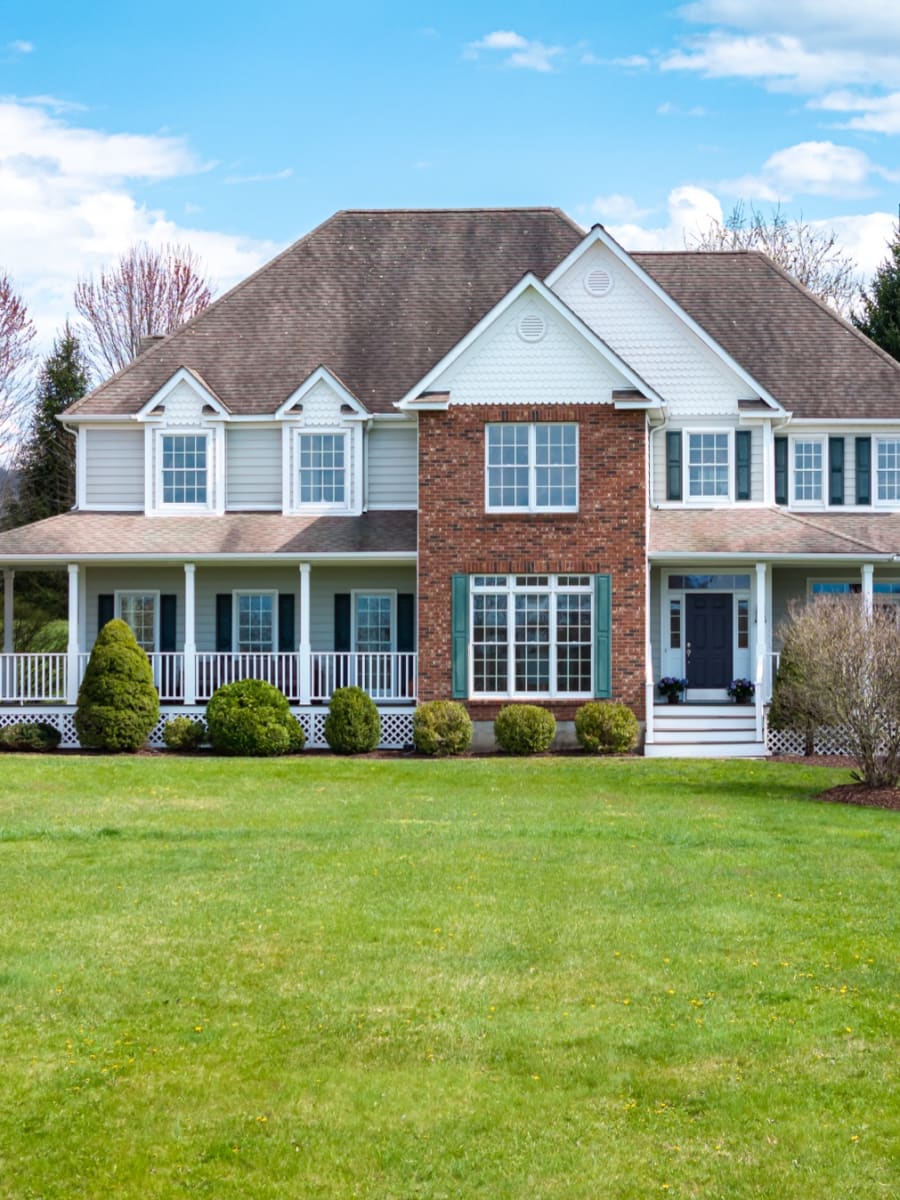
Insurance for Vacant Properties
Standard homeowner's insurance policies often exclude or limit coverage for properties that have been vacant for more than 30 to 60 days. You may need a vacant property insurance policy, which costs more but provides the coverage you need. Notify your insurer immediately when a property becomes vacant — a claim denied due to vacancy exclusion can be financially devastating.
Vacant property insurance typically covers fire, vandalism, weather damage, and liability. Premiums vary based on location, property condition, and coverage level but generally run 50 to 100 percent more than a standard occupied policy.
Security and Monitoring
Vacant properties attract unwanted attention — from vandals, squatters, and thieves who target copper piping and appliances. Basic security measures include timer-controlled lights, a smart doorbell camera, and regular visits by a neighbor, property manager, or your agent. In winter, maintaining heat to prevent pipe freezing is essential.
For longer-term vacancy, consider a smart home monitoring system that alerts you to temperature drops, water leaks, and unauthorized entry. These systems are affordable and provide peace of mind from any distance.
Maintenance During Listing
A vacant property listed for sale still needs regular maintenance — lawn mowing, snow removal, interior temperature control, and periodic cleaning. Buyers judge properties by their first impression, and a neglected exterior signals neglect throughout. Arrange for regular maintenance through your agent's network of local vendors.
Schedule a deep clean before listing and again before each open house. Ensure the HVAC system is running (buyers want to see that systems work), and address any pest issues promptly. A well-maintained vacant property sells just as well as an occupied one.