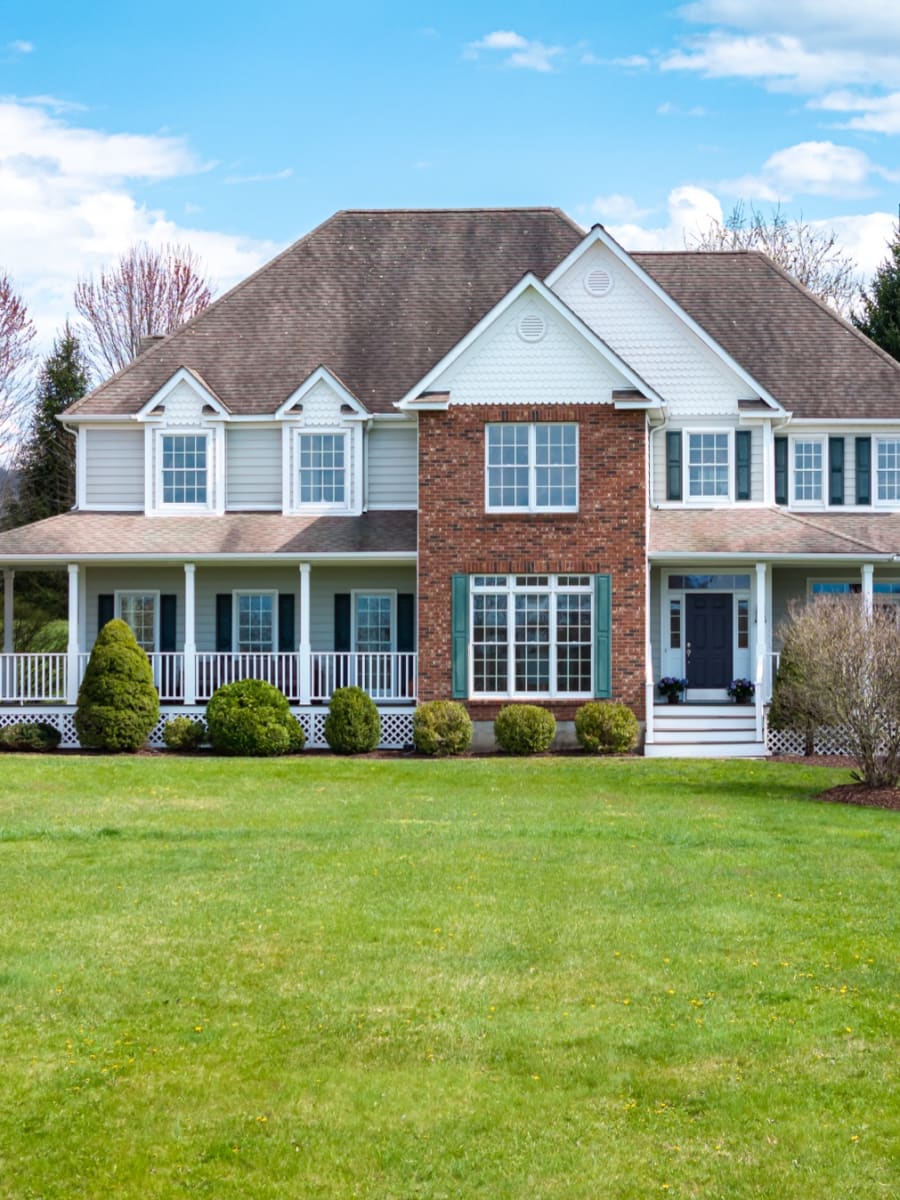
Why You Should Check Before Listing
Many homeowners are surprised to learn they have open violations on their property. Previous owners may have done work without permits, a neighbor may have filed a complaint, or a routine inspection may have flagged an issue years ago that was never formally resolved. Discovering violations before you list — rather than during a buyer's due diligence — gives you time to plan your strategy.
Checking for violations is free in most New York municipalities and can usually be done online or with a single phone call to your local building department.
Online Violation Search Tools
In New York City, the Department of Buildings maintains the Building Information Search (BIS) portal at nyc.gov/buildings, where you can search any address for open violations, permits, and certificates of occupancy. Westchester County, Dutchess County, and other Hudson Valley municipalities are increasingly offering online portals, though coverage varies by town.
For properties in the Hudson Valley, start with your town or village clerk's office. Many now maintain online databases through platforms like General Code or eCode360. If online records are unavailable, a phone call or in-person visit to the building inspector's office will get you the information you need.
Understanding Your Violation Report
When you pull a violation report, pay attention to several key details: the date the violation was issued, the class or severity (in NYC, these range from Class 1 non-hazardous to Class 2 hazardous and immediately hazardous), whether fines have been assessed, and the current status. A violation marked as open means it has not been resolved and cleared by the issuing agency.
Some violations may be decades old and no longer reflect the current condition of the property. In these cases, you may be able to request a re-inspection to have the violation dismissed. An agent experienced with code violations can advise you on the best approach for each specific violation type.
What to Do Once You Know
Once you have a clear picture of your violation status, you can make an informed decision: resolve the violations before listing, price the property to reflect the cost of remediation, or market to cash buyers who will handle the issues themselves. Each approach has tradeoffs, and the right choice depends on your timeline, budget, and local market conditions.
Hudson River Realtors can connect you with an agent who will review your violation report, estimate remediation costs, and recommend the strategy that puts the most money in your pocket given your circumstances.