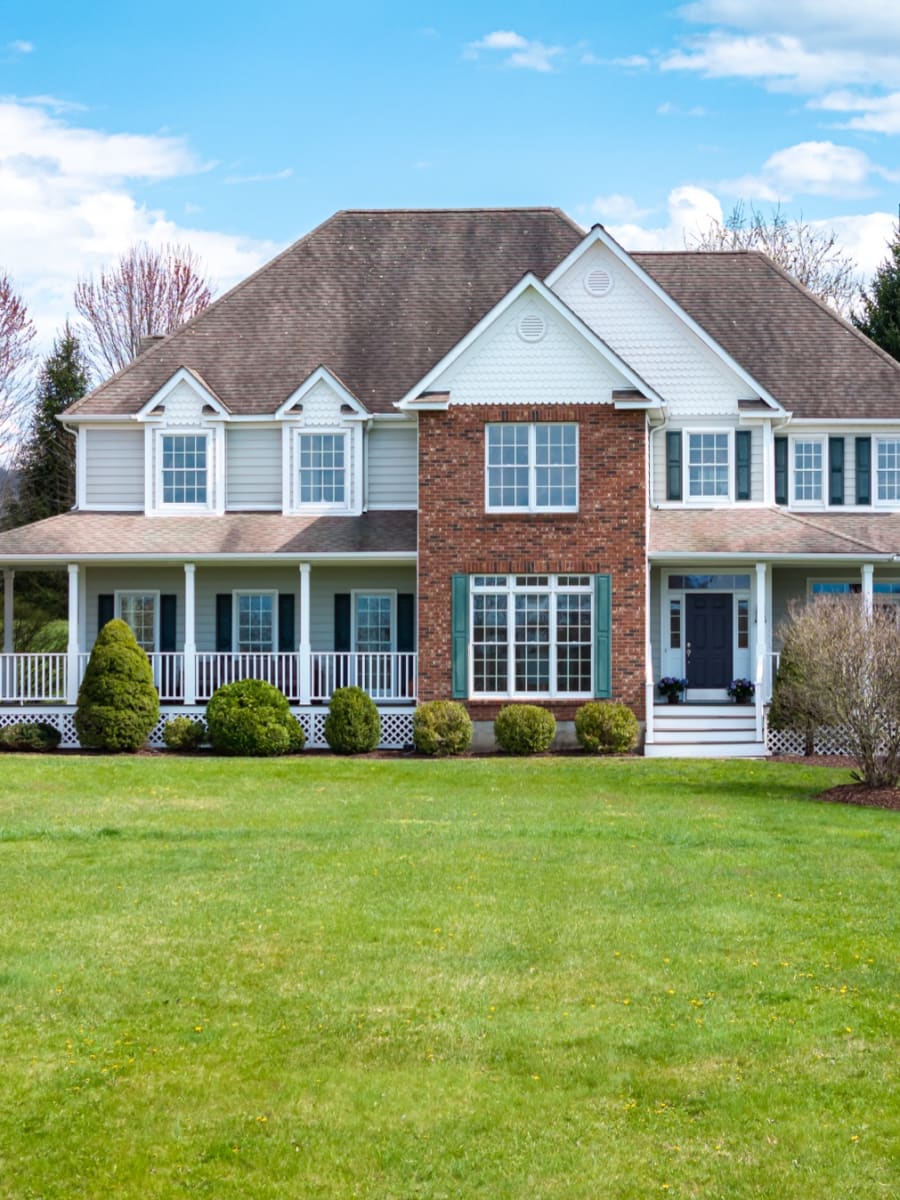
Selling a home in New York follows a process that differs from most other states. New York is an attorney state — meaning both buyer and seller typically retain real estate attorneys who play active roles in the transaction. The contract process, title search, and closing procedures have specific requirements that sellers should understand before listing.
This guide walks you through every stage of the New York home selling transaction, from preparing to list through the closing table. Understanding the process reduces stress, prevents surprises, and helps you make informed decisions at every step.
Preparing to List
Before your home hits the market, several steps set the foundation for a successful sale. Your agent will prepare a comparative market analysis to determine the optimal listing price. You will sign a listing agreement establishing the agent's authority, commission structure, and listing terms.
Practical preparation includes decluttering, cleaning, making any agreed-upon repairs, and staging. Your agent will coordinate professional photography, write listing copy, and develop a marketing plan. In New York, you should also engage a real estate attorney early — they will review the eventual contract and guide you through the legal aspects of the transaction.
Going Live and Showings
Once listed on the MLS, your property is visible to every buyer's agent in the market. Your agent manages showing requests, open houses, and buyer feedback. In the Hudson Valley, serious buyer activity typically begins within the first two weeks of listing — which is why pricing correctly from day one matters.
During showings, keep the home clean, minimize personal items, and accommodate as many showing requests as possible. Every missed showing is a missed opportunity. Your agent will track showing activity and feedback, adjusting strategy if needed based on market response.
Receiving and Negotiating Offers
When an offer arrives, your agent presents it with context: the offer price, contingencies, financing type, proposed timeline, and any special terms. You can accept, reject, or counter any offer. In competitive markets, you may receive multiple offers simultaneously — your agent will help you evaluate each on its total merits, not just price.
Key factors beyond price include the buyer's financing strength (pre-approval vs. pre-qualification, down payment amount), contingencies (inspection, financing, sale of buyer's home), proposed closing date, and any concession requests (seller credits, included personal property). The strongest offer is often not the highest one.
The Contract Phase
New York's contract process is unique. Once you accept an offer, the deal is not yet binding. The buyer's attorney prepares a formal contract of sale, which your attorney reviews and negotiates. Only when both parties sign the contract and the buyer delivers the contract deposit (typically 10 percent of the purchase price, held in escrow by the seller's attorney) does the deal become binding.
This attorney review period typically takes one to two weeks and can feel uncertain — either party can walk away without penalty until the contract is fully executed. Your attorney will negotiate contract terms including the closing date, what is included in the sale, any representations or warranties, and the consequences of default.
Inspections and Due Diligence
The buyer's home inspection typically occurs during or shortly after the attorney review period, depending on how the contract is structured. The inspector examines the home's major systems and components and provides a detailed report. Buyers may request repairs or credits based on findings.
In New York, the standard approach is to negotiate inspection issues during attorney review — the contract may include specific inspection contingency language. Your attorney and agent will advise on which requests are reasonable and how to respond. Common resolutions include seller repairs, price reductions, closing credits, or a combination.
The Appraisal
If the buyer is financing the purchase, their lender orders an appraisal to confirm the property's value supports the loan amount. The appraiser visits the property, measures it, photographs it, and compares it to recent comparable sales. The appraisal must meet or exceed the contract price for the loan to proceed as planned.
If the appraisal comes in below the contract price, negotiations follow. Options include the buyer making up the difference in cash, the seller reducing the price, a combination of both, or in some cases ordering a second appraisal. Your agent should price the home based on comparable sales from the start, which minimizes appraisal risk.
Preparing for Closing
Between contract signing and closing, several things happen simultaneously. The buyer's lender processes the mortgage (underwriting, document verification, final approval). The title company conducts a title search to confirm clear ownership. Your attorney prepares the deed and other closing documents. You arrange for any agreed-upon repairs to be completed.
Typically one to three days before closing, the buyer conducts a final walkthrough to verify the property's condition matches what was agreed upon. Ensure any repairs are completed, the home is clean, and all personal property you are keeping has been removed.
Closing Day
In New York, closing typically occurs at the buyer's lender's office, a title company, or one of the attorneys' offices. Both attorneys attend, along with the buyer (the seller may or may not attend in person — your attorney can sometimes close on your behalf with a power of attorney).
At closing, you sign the deed transferring ownership, closing statements detailing all financial aspects of the transaction, and various affidavits and disclosures. The buyer's funds are disbursed: the mortgage payoff goes to your lender, commission payments go to the brokerages, attorney fees and transfer taxes are paid, and the remaining proceeds come to you — typically via wire transfer or certified check.
How Hudson River Realtors Can Help
A smooth transaction requires an experienced agent who understands every stage of the New York selling process. Hudson River Realtors connects you with agents who have guided hundreds of sellers through this process in the Hudson Valley — agents who coordinate effectively with attorneys, manage timelines, and solve problems before they derail your sale.
Reach out through our intake form to get matched with the right agent. The referral is free.
Ready to sell? Connect with an agent who will guide you through every step — free referral, no obligation.